Making Memories Over Dessert at Pie Cafe Colorado Springs
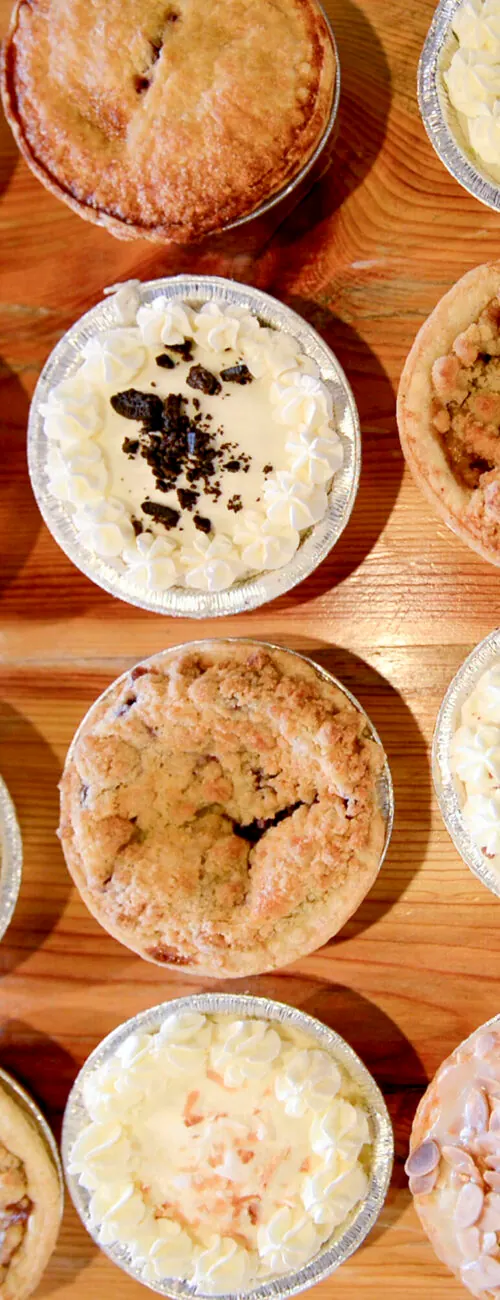
There are restaurants you visit because you are hungry, and then there are places you return to because something about the experience stays with you. A good dessert café often falls into the second category. It is rarely just about sugar or presentation. It is about mood, timing, company, and the small rituals that gather around a shared plate. In Colorado Springs, that feeling is part of what gives a place like Pie Cafe Colorado Springs its staying power.
Dessert has always occupied a different social space than the rest of a meal. Dinner can be practical. Lunch can be rushed. Coffee can be transactional. Dessert, when done well, asks people to slow down. It creates a natural pause in the day and often turns an ordinary outing into a marker in memory. Anyone who has split a slice of pie after a long week, celebrated a birthday around a bakery case, or sat in a quiet café on a snowy afternoon understands the difference immediately.
What makes a pie café especially memorable is that it combines comfort with a little ceremony. Pie feels familiar. It carries associations of home kitchens, holiday tables, roadside diners, and recipes passed down through generations. A café setting adds another layer. It invites conversation, gives the dessert a sense of occasion, and offers the kind of environment where pie cafe colorado springs people linger instead of rushing out the door.
Why pie still matters in a dessert culture full of trends
Dessert trends move fast. One year it is elaborate milkshakes, the next it is rolled ice cream, gourmet cookies, or a pastry item imported from social media feeds. Pie has outlasted all of that because it satisfies on more than novelty. It brings contrast. A good pie has flaky crust against smooth filling, tartness balanced by sweetness, warmth paired with cold whipped cream or ice cream. It asks for skill, but it does not need theatrics.
That restraint is part of the appeal. A slice of pie does not announce itself too loudly. It earns affection through balance and consistency. People remember a perfect crust far longer than an overdecorated dessert that photographs well and disappoints on the plate. In my experience, pie shops that keep regulars tend to understand this. They focus on texture, proportion, and freshness, not gimmicks.
In a city like Colorado Springs, where the pace can shift from tourist traffic to neighborhood familiarity depending on the season and the part of town, a pie café can become a sort of common ground. Families, couples, solo regulars, students, and retirees all fit naturally into the same room. Pie does not have a narrow audience. It speaks to nostalgia without feeling old-fashioned, which is harder to pull off than it sounds.
The atmosphere does half the work
People often talk about food as if flavor alone determines loyalty. It does not. Atmosphere matters, especially in dessert spaces. The right room changes how people experience the same slice. Lighting, noise level, seating, display cases, service rhythm, and even the smell near the entrance all shape perception before the first bite lands.
At a place like pie cafe colorado springs, memory is built from these details as much as from the dessert itself. A warm, approachable environment tells guests they are welcome to settle in. If the music is low enough for easy conversation and the room feels clean without being sterile, people relax. That relaxation is what opens the door for meaningful moments. It is the difference between grabbing something sweet and actually having an experience.
I have seen this play out repeatedly in cafés that understand their role in people’s lives. A parent brings in a child after a school performance. Two friends reconnect after months of trying to schedule time together. A couple marks an anniversary with something modest and sincere instead of a lavish reservation. A college student claims a corner table for an hour and turns a difficult day around with coffee and a slice of fruit pie. None of these moments would sound extraordinary from the outside, yet they are exactly the moments that build a place’s identity.
Dessert as a social ritual
There is a reason so many celebrations end with something sweet. Dessert signals closure, reward, and generosity. It softens the room. People who have been careful with their schedules and guarded with their attention often become more open once they are sharing a table over dessert. Pie works especially well in this role because it feels both generous and unpretentious.
A whole pie on the table invites a group into the same experience. A few forks appear almost automatically. Someone claims the corner piece, someone else wants extra whipped cream, and suddenly the table has a little structure and playfulness. Even when people order separate slices, pie still feels communal because everyone compares choices. Which crust is flakier, which filling is sweeter, whether the cream topping is worth adding, whether the seasonal special lives up to the classic standby. These conversations may seem small, but they are often the kind people remember years later.
That is one reason cafés centered on dessert can become woven into local routines. They offer a manageable luxury. Not everyone has time or budget for a full night out, but many people can justify pie and coffee. It feels celebratory without being excessive. For families, that matters. For friends trying to keep up a regular tradition, it matters even more.
The emotional architecture of a great slice
Anyone who works seriously with baked goods knows pie is deceptively difficult. When people describe a pie as comforting, they sometimes overlook the technique that creates that comfort. Good pie depends on discipline. Crust can turn tough if overworked, soggy if poorly baked, bland if underseasoned. Fruit fillings can break if thickened incorrectly or sweetened without regard for the fruit’s natural acidity. Cream pies require another set of decisions entirely, from consistency to chilling time to topping stability.
The best pie cafés make these technical choices so well that customers notice only the pleasure, not the process. That is the ideal outcome. Dessert should feel effortless to the guest, even when it took hours of planning and labor behind the scenes.
There is also the matter of proportion. Pie fails most often when one element overwhelms the others. A heavy crust can smother a delicate filling. Too much sugar flattens the flavors. A beautiful topping can become cloying halfway through the slice. The pies that become favorites tend to get the ratios right. They leave room for the fruit, custard, chocolate, or spice to speak clearly. That kind of balance is what turns a pleasant dessert into the one people drive across town to order again.
Why local dessert spots build stronger memories than chain experiences
Chains offer consistency, but they often smooth away the quirks that make a place memorable. A local café has the freedom to feel specific to its city. That specificity matters more than people realize. It comes through in seasonal choices, service style, regular customers, and the way staff interact with newcomers. Local dessert spots can reflect neighborhood habits and local tastes in a way national concepts usually do not.
Colorado Springs has a distinctive blend of long-time residents, military families, visitors, outdoor enthusiasts, and growing young professionals. A café that thrives here has to appeal across those lines without becoming generic. That is not easy. It means offering something grounded and welcoming enough for locals, but polished enough to attract people who are discovering the city or visiting for a few days.
A pie café is well suited to that challenge because pie has broad appeal and a built-in sense of hospitality. If the room is inviting and the product is reliable, people from very different backgrounds can find common ground over dessert. That sort of place often becomes part of family traditions. Out-of-town relatives are brought there. Graduations are marked there. First dates happen there, then later anniversary stops. Before long, the café is no longer just a business on a street. It becomes part of how people map the city in their minds.
Seasons change the experience
One of the pleasures of pie is that it shifts so naturally with the calendar. Summer asks for berry pies, stone fruit, and brighter, juicier fillings. Fall leans into apple, pecan, pumpkin, spice, and deeper caramelized notes. Winter makes room for chocolate, cream pies, and richer textures that feel restorative when temperatures drop. Spring tends to bring citrus, lighter fruit combinations, and flavors that hint at freshness after colder months.
This seasonal flexibility gives a pie café a natural rhythm. Regulars learn to anticipate certain offerings. That anticipation creates its own form of memory. People remember the first pumpkin slice of the season or the late summer peach pie that arrived at exactly the right moment. Seasonal desserts also offer a subtle reason to revisit. Even if someone has a favorite they order every time, the rotating case adds curiosity and movement.
In Colorado Springs, seasonality carries extra emotional weight because the climate and scenery are so present in daily life. A warm slice after a cold, windy evening feels different than a chilled cream pie after a bright summer day. Good cafés understand that guests are not just consuming dessert in a vacuum. They are arriving from weather, errands, celebrations, disappointments, workdays, hikes, school pickups, and date nights. Dessert lands in that context.
What families tend to value most
When families choose a dessert destination, they are usually evaluating more than the menu. They are asking quieter questions. Is there enough space to settle in without feeling in the way? Is the staff patient? Can different age groups find something they like? Does the setting feel special enough to justify the outing, but easy enough to repeat?
Pie answers these questions well. Children often respond to familiar fruit fillings, chocolate options, or whipped toppings. Adults appreciate the craftsmanship and the sense of tradition. Grandparents tend to connect with the nostalgia of it. That multigenerational appeal is a rare strength in food service.
I have noticed that places focused on pie also tend to encourage a less hurried style of gathering. Unlike some dessert formats that arrive quickly and disappear just as fast, pie invites sitting, talking, and savoring. It is easier to stretch the experience into an actual family memory. The best café visits are not measured only by taste. They are measured by whether people leave feeling more connected than when they arrived.
Date nights do not always need grandeur
There is a mistaken belief that romance has to be elaborate to feel meaningful. In practice, some of the strongest date memories are attached to smaller rituals. Dessert after dinner. Coffee and pie on a rainy evening. A spontaneous stop because no one is ready for the night to end. These moments feel intimate because they are unforced.
A pie café is particularly good at supporting that kind of date. It removes some of the pressure that comes with more formal dining while still offering an atmosphere that feels intentional. You can sit close, share a slice, talk without shouting, and choose whether the night is ending or just beginning. For newer couples, that can be ideal. For long-term partners, it offers a familiar way to reconnect without overplanning.
There is also something quietly generous about sharing dessert. It suggests enough ease and trust to negotiate bites, compare flavors, and enjoy a little indulgence together. The ritual feels humble, which is often what makes it memorable.
The practical side of making a café part of your tradition
Not every memorable place has to become a weekly habit. Sometimes a café becomes meaningful precisely because it is reserved for certain occasions. The key is to use it with intention. If you want dessert outings to turn into real family or couple traditions, a little thought goes a long way.
Here are a few situations where a pie café tends to shine:
- after school milestones or recital nights
- casual birthday gatherings that do not need a full restaurant reservation
- low-pressure first dates or midweek date nights
- catching up with a friend when a full meal feels unnecessary
- holiday-season stops when people want a festive mood without hosting at home
The value here is not just convenience. It is repeatability. Traditions survive when they are enjoyable and realistic. A local dessert outing is often both.
Service shapes memory more than people admit
Guests may forget the exact flavor notes of a slice, but they remember how they were treated. Service in a dessert café requires a particular kind of judgment. Staff need to be attentive without hovering, warm without becoming intrusive, and knowledgeable without sounding rehearsed. Because many guests are there for celebrations or reunions, the emotional tone matters.
A skilled team knows how to read the room. A family with young children may need speed and patience. An older couple may want time. A group celebrating something might appreciate a bit of enthusiasm. Someone dining alone might value friendly efficiency more than conversation. These are small distinctions, but they create very different outcomes.
At places that build loyal followings, service often becomes part of the draw. People return because they trust the experience. They know the room will be comfortable, the dessert will be satisfying, and the staff will help the visit feel easy. Reliability may sound unromantic, yet it is one of the foundations of hospitality. When people choose a spot to celebrate with people they care about, trust matters.
The sensory detail that lingers
Think back to the dessert places you remember best. The memory usually arrives in fragments. Light against a display case. The smell of butter and cinnamon near the counter. The scrape of a fork against a plate. Steam lifting from coffee. A crust that shattered just enough before giving way. A tart berry filling that cut through sweetness at exactly the right point.
This is where a place like pie cafe colorado springs can become more than a recommendation and more than a local business listing. It becomes part of someone’s sensory memory of the city itself. Visitors often anchor a place through food. Residents do the same, even if they do not realize it at first. The café where they celebrated a promotion or consoled a friend or took their kids after parent-teacher conferences becomes part of their personal geography.
That is the real power of dessert spaces. They hold emotional residue. People bring their lives into them, then carry something back out.
Choosing the right pie for the moment
There is no universally correct pie choice, only better choices for particular moods and contexts. Fruit pies tend to feel lively and social. They pair well with daylight, conversation, and shared orders. Cream pies often pie cafe Colorado suit slower evenings and richer cravings. Chocolate options can feel more indulgent, while classics like apple strike a dependable middle ground.
If I am choosing for a group, I usually lean toward something familiar with broad appeal, then add one slightly more adventurous option if the café offers it. This keeps everyone comfortable while giving the table something to talk about. For a date, a slice with contrast, something warm served with a cool topping, usually creates a stronger experience than a very dense, uniformly sweet dessert. For solo visits, it often makes sense to order what sounds most comforting rather than what seems most impressive.
The practical lesson is simple. Dessert is situational. The best cafés support different moods without making the guest work too hard to find the right fit.
When dessert becomes part of a city’s identity
Every city has places that quietly define it. They are not always the biggest attractions or the most publicized businesses. Often they are the places residents mention with a certain tone, as if sharing a useful secret. A dependable pie café can occupy that role because it crosses social boundaries and stays relevant through changing trends.
Colorado Springs is a city where landscape and daily life intersect in visible ways. People move between errands, family commitments, outdoor plans, and social gatherings with a strong awareness of season and setting. A welcoming café devoted to pie fits naturally into that rhythm. It gives people a place to pause, celebrate, and reconnect in a form that feels approachable.
What lasts, ultimately, is not only the dessert itself. It is the accumulated weight of ordinary good experiences. The friend you laughed with over coffee. The holiday afternoon made easier by not baking at home. The birthday that felt just right because it stayed simple. The slice you did not expect to remember, but somehow still do.
That is how memories over dessert are made. Not through spectacle, but through repetition, care, and a sense of welcome. Pie cafe colorado springs stands in that tradition, offering the kind of experience that reminds people why local dessert spots matter so much. They give sweetness a setting, and they give everyday life a place to become memorable.
3.14 Pi Bar
5152 Centennial Blvd
Colorado Springs, CO 80919
(719) 314-6172
FAQ About pie cafe colorado springs
Does 3.14 Pi Bar serve sweet and savory pies?
Yes. The café serves savory pot pies and seasonal sweet pies made from scratch. Flavors can vary.
Can I order a whole pie to take home?
Yes. The café sells whole sweet pies to take home. Check the current menu for flavors and ordering options.
Does 3.14 Pi Bar offer take-and-bake pies?
Yes. The café offers prepared pies that you can bake at home. Check the current menu for available varieties.
Ends · ERICKPOZR501