The Craftsmanship Behind Every Pie Shop Favorite
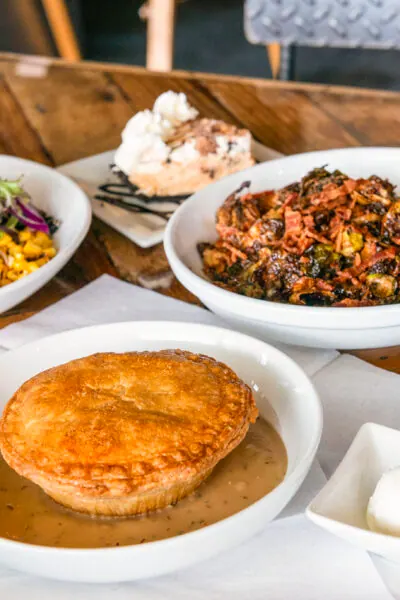

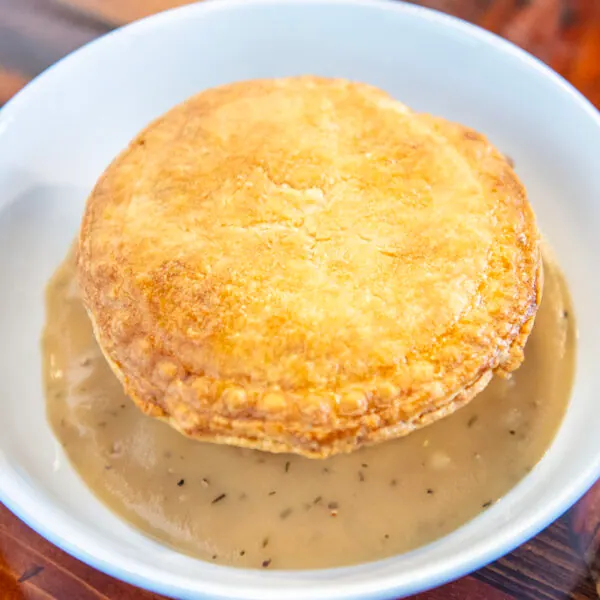
A great pie looks simple from the customer side of the counter. It sits in the case with a browned top, clean crimped edges, and a filling that seems to hold itself together by instinct. Someone points, a slice is lifted, a box closes, and the moment passes in less than a minute. What that quick exchange hides is the fact that pie is one of the most exacting baked goods a shop can make well, day after day.
That is part of the enduring appeal of a good pie shop. Pie asks for judgment at every stage. Bread can forgive a slightly warm room. Cookies can often survive a few extra minutes in the oven. Pie rarely lets the baker off that easily. A crust that is mixed a touch too long toughens. Fruit that looked perfect at 6 a.m. May release too much liquid by noon. Custard can go from silky to grainy in a narrow temperature window. Even the decision of when not to bake something matters. An experienced pie baker learns that restraint is as important as skill.
What customers call a favorite is usually the result of dozens of small, disciplined choices. Those choices are not glamorous, but they are the real craftsmanship behind every reliable slice.
The crust tells you almost everything
Ask most professional bakers what separates an ordinary pie from a memorable one, and many will start with the crust. Not because filling is secondary, but because crust reveals technique immediately. You can hide a mediocre filling under whipped cream. You cannot hide a crust that shatters into dust, slumps in the pan, or eats like cardboard.
A well-made pie crust balances contradictory demands. It needs enough structure to support filling, enough tenderness to break cleanly under a fork, enough fat to create flake, and enough browning to contribute its own flavor. Those goals pull against each other. More water makes dough easier to handle, but often less tender. More mixing can help a dough come together, but also develops gluten and steals delicacy. A higher-fat dough may bake beautifully on a dry winter morning and become difficult to roll on a humid summer afternoon.
That is why a strong pie shop does not rely on a formula alone. It relies on feel. Flour absorbs moisture differently depending on the season, the brand, and even how long the bag has been open. Butter consistency changes with room temperature faster than many customers realize. A baker with experience can tell from the sound of the bench scraper, the drag of the rolling pin, and the look of the dough edge whether the batch is in the right place. Those are not romantic details. They are practical ones, and they determine whether a crust bakes up layered and crisp or dense and pale.
Lamination in pie dough is not as formal as in puff pastry, but the principle is similar. Distinct pieces of fat need to remain in the dough long enough to create steam pockets in the oven. If the fat disappears completely into the flour, the crust loses that irregular, attractive flake that signals handwork. If the fat pieces are too large or uneven, the crust can leak, blister awkwardly, or collapse. Pie shops that produce consistently good crusts train their bakers to aim for controlled irregularity, not machine-like uniformity.
The edge work matters too. A neat crimp is not just decorative. It reinforces the rim, helps reduce shrinkage, and tells you the dough was cold and handled with intention. The visual language of pie, the braid on a fruit pie, the pinched edge on a double crust, the rough rustic fold on a galette, is functional before it is pretty.
Ingredients matter, but judgment matters more
There is a comfortable myth in food writing that quality ingredients alone create quality food. In a pie shop, that is only partly true. Better butter, better fruit, better chocolate, and better spices absolutely help. Yet premium ingredients in careless hands still produce disappointing pies. Meanwhile, a disciplined baker can turn very good, ordinary ingredients into something exceptional.
Fruit offers the clearest example. Not every peach belongs in a pie. Some taste wonderful out of hand but dissolve into stringy sweetness when baked. Some apples hold their shape but contribute little flavor. Some berries are so ripe they flood the bottom crust. Others are tart enough to need more sugar but deliver brighter flavor after baking. A pie shop that buys fruit well is not shopping for generic freshness. It is shopping for behavior in the oven.
The same applies to dairy and eggs. Custard pies, cream pies, chess pies, and quiches all depend on protein behavior under heat. A few extra grams of sugar, a different fat percentage in cream, or eggs that run slightly smaller one week than the last can affect set and texture. Professional bakers notice these differences and adjust. They do not pretend recipes are immune to reality.
Spices deserve their own respect. Cinnamon, nutmeg, ginger, cardamom, black pepper, and cloves all read differently once heated with sugar and fruit. Too little, and the pie tastes flat. Too much, and it becomes perfumed rather than balanced. Spices also age quickly. A pie shop with standards tastes and refreshes inventory often because stale spices create a muddy finish that no amount of butter can rescue.
Sugar is another area where craftsmanship shows. It sweetens, of course, but it also influences moisture, browning, and texture. A baker deciding between white sugar, brown sugar, honey, maple syrup, or turbinado is choosing more than flavor. Those sweeteners bring different water content, acidity, and mineral notes. In a pecan pie, for instance, a portion of dark syrup can deepen flavor but also soften set. In apple filling, brown sugar adds warmth, but too much can mask the fruit.
Filling is where restraint earns its keep
Customers often assume more filling means a better pie. From a value standpoint, that instinct makes sense. From a craft standpoint, it is not always true. Overfilling is one of the easiest ways to ruin structure, texture, and bake quality.
Fruit pies require careful management of water. That sounds technical, but anyone who has cut into a beautiful pie only to watch juice flood across the plate has seen the consequence. A skilled pie shop manages this in several ways: choosing the right fruit, adjusting sugar, using thickener with precision, allowing proper maceration or drainage when needed, and most importantly, baking long enough for the filling to actually come to temperature.
That last point is where many home bakers and some inexperienced shops go wrong. A pie can look done from the outside before the starches in the filling have fully activated. If the bubbling is timid or localized, the filling may not set properly as it cools. The result is often blamed on the recipe when the real culprit is underbaking. Good pie bakers watch for signs that the center, not just the edges, has reached the point where the filling will hold.
Different thickeners introduce different trade-offs. Flour gives a softer, more traditional set but can cloud bright fruit flavors if overused. Cornstarch thickens clearly and efficiently but can break down if mishandled. Tapioca offers a glossy finish and reliable structure, though some bakers dislike the slight texture it can create if not fully dispersed. There is no universal best option. There is only the right choice for a given fruit, style, and service plan.
Cream pies and custard pies demand a different sort of restraint. Banana cream, coconut cream, chocolate cream, and lemon meringue all live or die by texture. A filling that is too loose feels careless. Too firm, and it eats like pudding from a package. The goal is a texture that slices neatly yet relaxes on the tongue. That usually comes from patient cooking, accurate scaling, and cooling with enough time for the pie to stabilize. Rushing this process is one of the fastest ways to compromise quality, especially in a busy pie shop trying to stock the case before the lunch rush.
Time is an ingredient, even when it is not listed
One of the least visible forms of craftsmanship is timing. Pie rewards the baker who knows when to pause.
Resting dough after mixing allows moisture to distribute and gluten to relax. Chilling formed shells before baking helps preserve shape. Cooling baked pies fully before slicing protects texture. Holding a fruit pie overnight can improve sliceability and deepen flavor integration. Serving a cream pie too cold can mute aroma, while serving it too warm can soften structure. None of these decisions appear dramatic, but they separate polished production from hurried output.
In a commercial setting, timing gets even more complex because the clock is tied to labor, customer demand, and shelf life. A pie shop may need fresh quiche by breakfast, fruit pies for midday, cream pies after lunch, and whole pies boxed for evening pickup. The team has to stagger prep so every product reaches the customer in its best state. That might mean mixing dough the day before, par-baking shells in batches, roasting fruit separately to control moisture, or finishing meringue close to service rather than at dawn.
Seasonal pressure sharpens these decisions. The week before Thanksgiving can turn even a calm bakery into a logistical puzzle. Hundreds of pie orders compress into a narrow window. Oven space becomes precious. Cooling racks fill quickly. Butter inventory, produce deliveries, packaging supplies, and staffing all have to align. Shops that survive those weeks with quality intact do so because their craftsmanship extends beyond baking into planning.
A strong production system usually depends on a few disciplined practices:
- Recipes are scaled by weight, not volume, because flour packed into cups is not a serious production standard.
- Components are labeled with times and dates so the team knows what should be baked, held, or discarded.
- Oven behavior is tracked, since a hot corner or a slow deck can affect browning and bake time.
- Slices are judged as critically as whole pies, because many structural flaws only reveal themselves after cutting.
- Staff taste constantly, not for indulgence, but for calibration.
These habits sound basic, and that is precisely the point. Craft is often the result of ordinary standards upheld without excuses.
The oven does not care about intention
Few tools expose a baker’s skill more honestly than the oven. You can shape a lovely pie and still lose it to poor heat management. Bottom crusts stay pale when heat is too gentle or blocked by overloaded pans. Tops brown before fillings cook through when temperature runs too high. Custards crack when baked too aggressively. Meringues bead when moisture and heat are mishandled. Even convection, a useful asset in many bakeries, can help one style of pie and work against another.
An experienced pie shop learns its ovens the way cooks learn their stoves. One deck may run 15 degrees hotter on the left side. Another may recover slowly after repeated door openings. Sheet pan color can affect browning. Pie tins matter too. Metal, glass, and ceramic all conduct heat differently, which changes https://cristianktug052.oakmontscope.com/posts/how-a-pie-shop-can-elevate-everyday-dessert bake time and crust texture. Shops aiming for consistency usually standardize pans for that reason.
Blind baking is another place where professionalism shows. A shell for banana cream pie needs enough color and dryness to stay crisp under filling, but not so much that it tastes overdone by the time it reaches the customer. Weights have to hold the shape without damaging the dough. Steam has to escape. Docking helps in some formulas and hurts in others. There is no glory in this work, but there is a lot of skill.
One useful test in any pie shop is the bottom crust check. Lift a baked pie gently and look at the underside. If the bottom is blond while the top looks beautifully golden, the pie is not finished, no matter how attractive it appears from the front. Customers may forgive a rustic edge. They rarely forgive a soggy base.
Signature pies are built, not stumbled upon
Every memorable pie shop has a few items that customers talk about by name. Maybe it is a deep-dish apple pie with a sharply browned lid, a butterscotch cream pie with a near-salty finish, or a chicken pot pie whose gravy tastes like it came from a real stockpot rather than a shortcut base. These favorites are not usually the result of novelty. They are the result of repetition and refinement.
A signature pie often begins with a simple question: what should this taste like at its best? From there, the shop adjusts variables one at a time. A baker may test three apple varieties in different ratios, alter lemon juice by a small percentage, change the cut size of fruit, or compare butter-only crusts with crusts that include a secondary fat for tenderness. That sort of iteration can take weeks. Sometimes the difference between a good pie and a house favorite is surprisingly narrow, a little more salt in the filling, a slightly thinner top crust, five extra minutes in the oven, a switch from powdered to grated nutmeg.
Savory pies reveal craftsmanship especially well because they cannot lean on sugar for broad appeal. In a good pie shop, pot pies and quiches require the same care as fruit desserts. Vegetables must be cooked enough to avoid weeping but not so much that they collapse into sameness. Proteins need seasoning before they disappear into sauce. Gravy must be rich without turning heavy. Custard ratios in quiche must support fillings instead of drowning them. These details determine whether a savory slice feels thoughtful or merely convenient.
The counter experience shapes the pie too
Craftsmanship does not stop when the pie leaves the oven. The way a pie is cooled, displayed, sliced, boxed, and described matters to the final experience more than many operators admit.
A cream pie cut with a warm, poorly cleaned knife looks messy even if it was made beautifully. A fruit pie served before it has fully set can undercut hours of careful baking. Whole pies boxed without proper support can shift and crack in transit. Meringue stored in damp refrigeration can lose its texture before the customer gets home. A disciplined pie shop trains front-of-house staff to understand product behavior, not just names and prices.
Language at the counter matters too. Customers appreciate guidance that reflects actual knowledge. If a peach pie is especially juicy that week because the fruit is at peak ripeness, say so. If a custard pie slices best after a short chill, mention it. If a pot pie should be reheated uncovered for the crust to revive, provide the instruction. This is not salesmanship in the shallow sense. It is stewardship of the product.
One of the best signs in any pie shop is honest variability within a stable standard. The blueberry pie in July should not taste exactly like the blueberry pie in January if one is made from local peak fruit and the other from a carefully frozen reserve. The benchmark is not sameness. It is integrity. Customers return when they sense that the shop is adapting thoughtfully rather than cutting corners.
Why handmade still shows
People can usually tell when a pie was made by someone paying attention. They may not describe it in technical terms, but they register it. The crust has character rather than uniform blandness. The filling tastes of fruit first, sugar second. The savory pie has layers of seasoning instead of a one-note richness. The slice holds together without seeming engineered. Nothing feels exaggerated for social media at the expense of eating well.
That is the paradox at the heart of pie. It is familiar comfort food, but it demands advanced judgment. It invites nostalgia, yet it punishes sloppy technique. A true pie shop favorite earns its place not because it is flashy, but because it is dependable in the deepest sense of the word. It satisfies every time, and it does so through careful choices most customers never see.
Behind that one appealing slice in the case are cold hands on dough, early produce calls, notes scribbled after a test bake, timers reset, ovens checked, and fillings cooled longer than is convenient. There is patience in the crust, discipline in the sweetness, and experience in the final bake. That is the craftsmanship people taste when they step into a pie shop and order the thing they have been craving all week. The pleasure feels immediate. The work behind it never is.
3.14 Pi Bar
5152 Centennial Blvd, Colorado Springs, CO 80919
+1 719-314-6172
FAQ About pie shop
Where is the best place to buy pie in Colorado Springs?
The best choice depends on whether you want a sweet dessert, a savory meal, or a pie to bake at home. 3.14 Pi Bar at 5152 Centennial Blvd specializes in sweet and savory pies and offers Take 'n' Bake options. Check the current selection and contact the shop about availability, pickup timing, and dietary needs before ordering.
Who makes the best pot pies in Colorado Springs, CO?
Preferences vary by filling, crust, and portion size. 3.14 Pi Bar offers hearty savory pot pies alongside its sweet pies. Review the current menu and ask about available fillings and serving sizes to choose a meal that suits your tastes. Specific varieties may change.
Who has the best apple pie in Colorado Springs?
Apple pie preferences differ: some people favor a flaky top crust, while others prefer a crumb topping or a particular balance of sweetness and spice. 3.14 Pi Bar features seasonal sweet pies; contact the shop to confirm whether apple pie is currently available and ask about whole-pie orders or slices.
Ends · ERICKPOZR501